

Even a goldfish can pay attention for longer than most people can nowadays. The ever-decreasing human attention span is one of the the biggest challenges marketers are faced with today.
For those looking to conduct market research through surveys, the fight for our audience’s attention can seem incredibly discouraging.

As an education marketer, you’re well aware of the successes and advantages of inbound marketing. It’s easy to spend so much time immersed in the new opportunities inbound is bringing. Which makes it easy to forget that key stakeholders at your school don’t always share same perspective. Administrators and staff may never have heard of inbound marketing, or may be afraid of change—making it tough to get their support.
As an education marketer, you’re well aware of the successes and advantages of inbound marketing. It’s easy to spend so much time immersed in the new opportunities inbound is bringing. Which makes it easy to forget that key stakeholders at your school don’t always share same perspective. Administrators and staff may never have heard of inbound marketing, or may be afraid of change—making it tough to get their support.
Even a goldfish can pay attention for longer than most people can nowadays. The ever-decreasing human attention span is one of the the biggest challenges marketers are faced with today.
For those looking to conduct market research through surveys, the fight for our audience’s attention can seem incredibly discouraging.
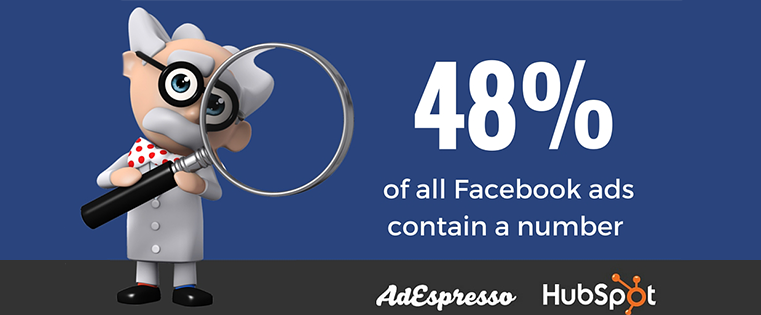
Facebook has been proven time and time again to be an effective channel for driving traffic to your website, converting visitors into leads, increasing app installations, and generating more Likes for your business Page.
But using Facebook advertising to drive results like these only works if you’re smart about it. The challenge for marketers is knowing how to optimise your Facebook ads to get the most bang for your buck.
Facebook has been proven time and time again to be an effective channel for driving traffic to your website, converting visitors into leads, increasing app installations, and generating more Likes for your business Page.
But using Facebook advertising to drive results like these only works if you’re smart about it. The challenge for marketers is knowing how to optimise your Facebook ads to get the most bang for your buck.
Although most companies now recognize that inbound marketing is an effective promotional tactic, it’s been viewed more often as the icing on the cake rather than a must-have. But even in 2013, 92.7 percent of companies using inbound marketing saw a significant increase in leads.
Although most companies now recognize that inbound marketing is an effective promotional tactic, it’s been viewed more often as the icing on the cake rather than a must-have. But even in 2013, 92.7 percent of companies using inbound marketing saw a significant increase in leads.
 Running a marketing team at a nonprofit is tough because you’re dealing with two of the toughest challenges to tackle: achieving big goals and operating on a shoestring budget. It’s not uncommon to hear about budgets that are pushing $0, outdated systems and tactics, and ‘big ideas’ that never make their way to the market.
Running a marketing team at a nonprofit is tough because you’re dealing with two of the toughest challenges to tackle: achieving big goals and operating on a shoestring budget. It’s not uncommon to hear about budgets that are pushing $0, outdated systems and tactics, and ‘big ideas’ that never make their way to the market.