

All humans — including your customers — are emotional creatures.
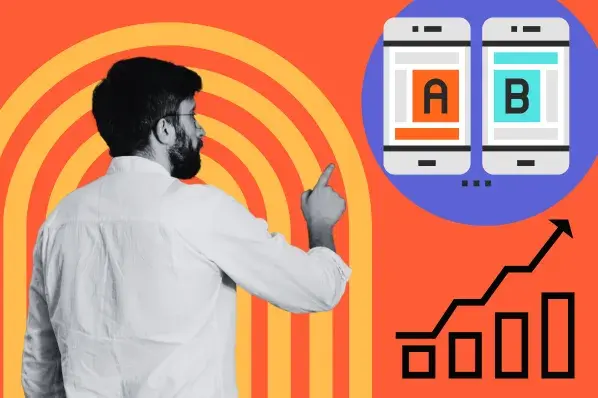
I remember running my first A/B test after college. It wasn’t till then that I understood the basics of getting a big enough A/B test sample size or running the test long enough to get statistically significant results.

Buyers don’t think like marketers or salespeople. Anyone who works in these departments can admit that. More importantly, buyers don’t think like each other either.
![How to Get Started With CRM-Powered Advertising [+ Why You Should]](https://blog.hubspot.com/hubfs/graph%20on%20screen.jpg)
HubSpot was founded during a time when people were under constant attack from aggressive outbound marketing tactics.
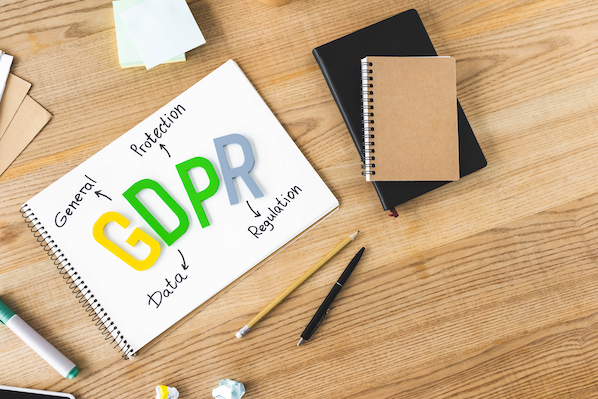
Disclaimer: This blog post is not legal advice for your company to use in complying with EU data privacy laws like the GDPR. Instead, it provides background information to help you better understand the GDPR. This legal information is not the same as legal advice, where an attorney applies the law to your specific circumstances, so we insist that you consult an attorney if you’d like advice on your interpretation of this information or its accuracy.

Your business is getting by just fine – but still, the questions remain: Could you be selling more? Is there an opportunity to increase market share? Is there any way you could further your product diversification efforts?

Of the 1.7 billion websites in the world, 600 million are blogs. And the number of US bloggers is set to reach 31.7 million in 2020.

I’ve written about the importance of sales and marketing alignment before, but the point can’t be understated: businesses undeniably have better success when they align sales and marketing teams.

Gorgeous, on-brand images and lively language? Check. A substantial social following in the channels that matter most for your industry? Check. Leads coming through? Check — and fist bump.
Blogs and podcasts are both powerhouse marketing tools. But when comparing blog vs. podcast, which is the better bet for your business?