

Giving Tuesday is one of the biggest donation days of the year. Once it’s over, don’t let its impact fade away. Sure, you’ve seen a boost in donations off your Giving Tuesday campaign, but you’ve also gotten so much more value you can use to advance your organization’s mission.

Giving Tuesday is one of the biggest donation days of the year. Once it’s over, don’t let its impact fade away. Sure, you’ve seen a boost in donations off your Giving Tuesday campaign, but you’ve also gotten so much more value you can use to advance your organization’s mission.

Giving Tuesday is one of the biggest donation days of the year. Once it’s over, don’t let its impact fade away. Sure, you’ve seen a boost in donations off your Giving Tuesday campaign, but you’ve also gotten so much more value you can use to advance your organization’s mission.

If you’re anything like me, there’s been a time in your life when you’ve asked, “What the heck is https?”
What’s that extra “s” for? Well, it turns out that the “s” stands for “SSL,” which stands for Secure Sockets Layer — the technology that encrypts your connection to a website, so that hackers can’t intercept any of your data.
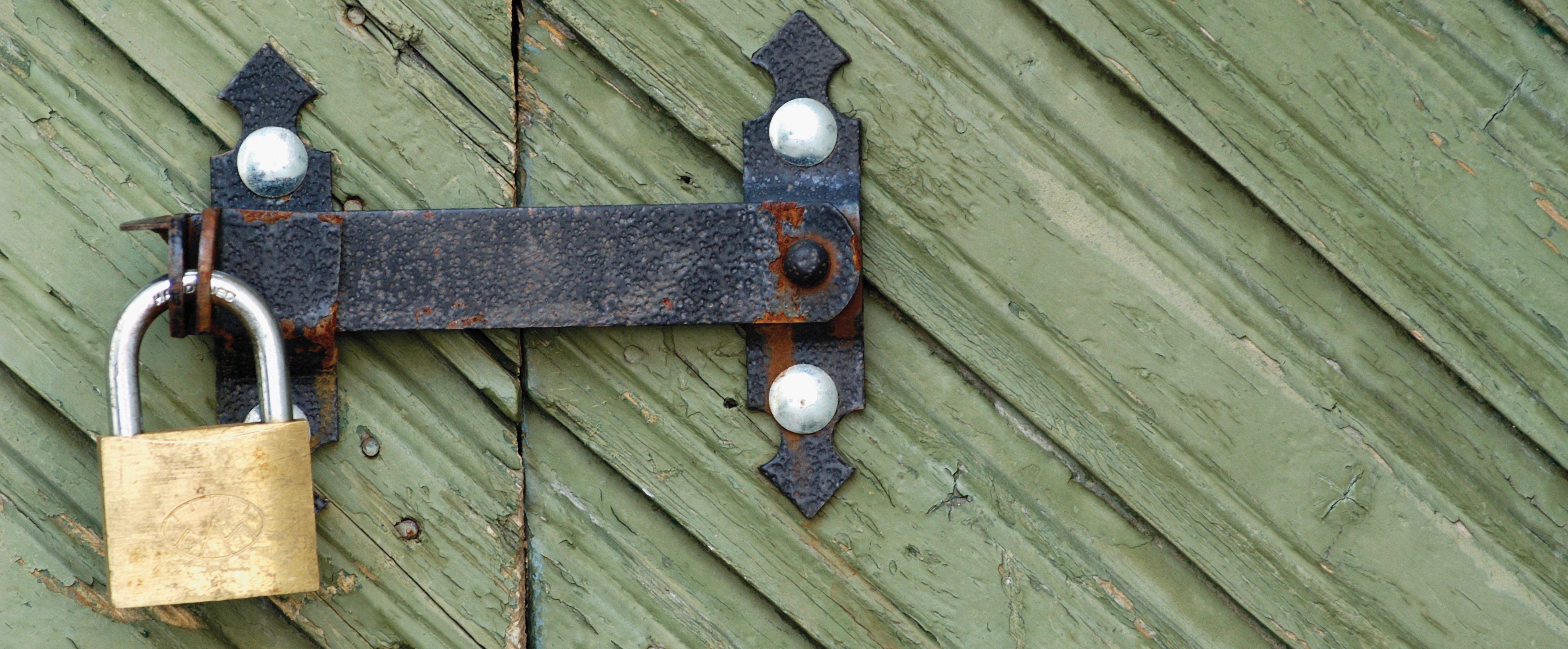
If you’re anything like me, there’s been a time in your life when you’ve asked, “What the heck is https?”
What’s that extra “s” for? Well, it turns out that the “s” stands for “SSL,” which stands for Secure Sockets Layer — the technology that encrypts your connection to a website, so that hackers can’t intercept any of your data.
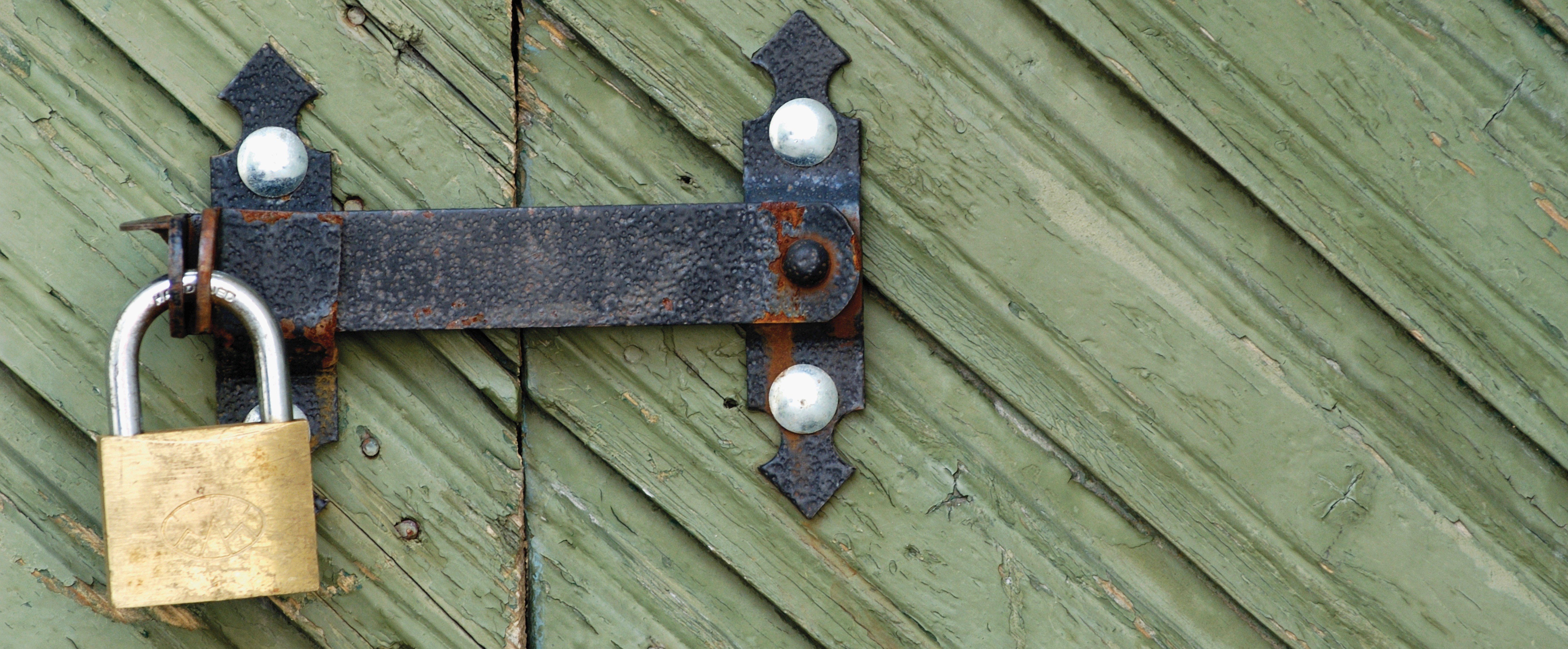
If you’re anything like me, there’s been a time in your life when you’ve asked, “What the heck is https?”
What’s that extra “s” for? Well, it turns out that the “s” stands for “SSL,” which stands for Secure Sockets Layer — the technology that encrypts your connection to a website, so that hackers can’t intercept any of your data.

If you’re anything like me, there’s been a time in your life when you’ve asked, “What the heck is https?”
What’s that extra “s” for? Well, it turns out that the “s” stands for “SSL,” which stands for Secure Sockets Layer — the technology that encrypts your connection to a website, so that hackers can’t intercept any of your data.

If you’re anything like me, there’s been a time in your life when you’ve asked, “What the heck is https?”
What’s that extra “s” for? Well, it turns out that the “s” stands for “SSL,” which stands for Secure Sockets Layer — the technology that encrypts your connection to a website, so that hackers can’t intercept any of your data.

If you’re anything like me, there’s been a time in your life when you’ve asked, “What the heck is https?”
What’s that extra “s” for? Well, it turns out that the “s” stands for “SSL,” which stands for Secure Sockets Layer — the technology that encrypts your connection to a website, so that hackers can’t intercept any of your data.
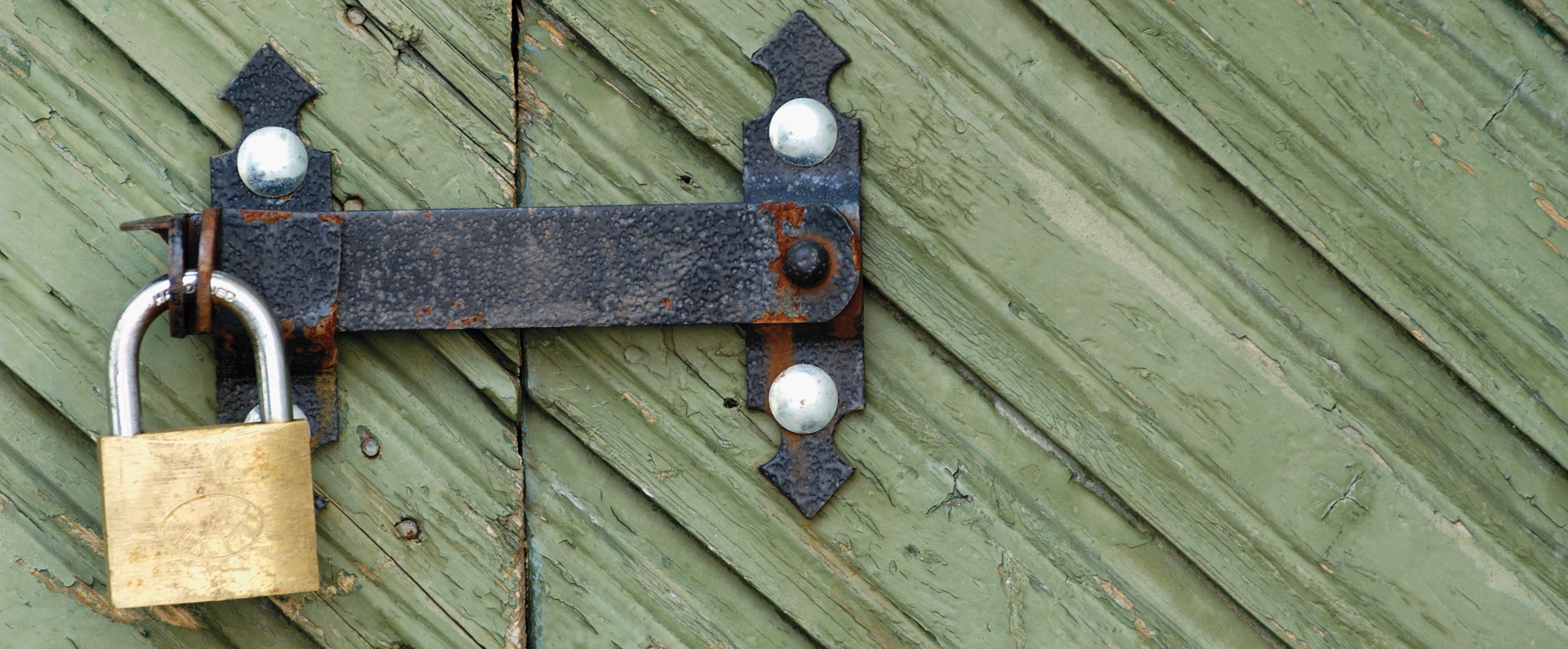
If you’re anything like me, there’s been a time in your life when you’ve asked, “What the heck is https?”
What’s that extra “s” for? Well, it turns out that the “s” stands for “SSL,” which stands for Secure Sockets Layer — the technology that encrypts your connection to a website, so that hackers can’t intercept any of your data.