

As inbound marketers, we care about creating lovable experiences for our website visitors — but we also want to generate as many leads as we can for our sales teams. Most of the time we can do both without any problem. But when it comes to pop-up forms, conflict does emerge.

Marketing and ad agencies have a major talent retention problem on their hands.
According to a recent study from LinkedIn and 4A’s, there was a 25% net talent loss at ad agencies globally compared with competitive industries such as tech and commerce in 2015.

As a direct response copywriter, I specialize in making readers take a specific action. I write a variety of copy, including articles, landing pages, sales emails, and job advertisements.
In fact, I’ve written hundreds of job ads over my career, as one of my first gigs was for a big employment website, where I created several ads a day. Ads that had one ultimate purpose: to compel readers to hit the “APPLY NOW” button.

While many people dread the sound of their morning alarm, an early start to the day could actually be the best thing for your writing.
To shed some light on this concept, the folks at Grammarly analyzed over one billion words corrected with the help of their writing app, and gathered some fascinating insights about how time of day impacts writing ability.
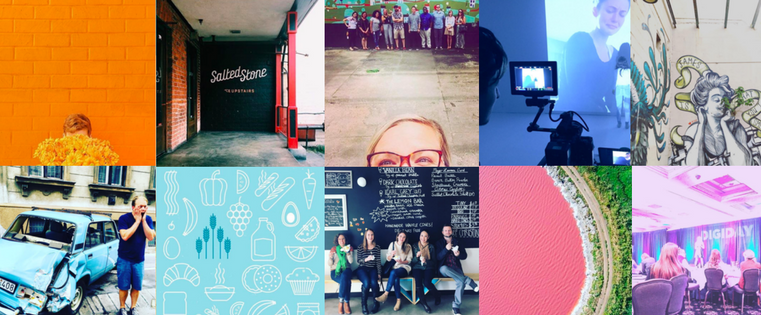
Instagram has evolved into a perfect visual platform for agencies, filled with photos of office parties, company outings, and creatives hard at work behind their Macs. And while there were more than a few pictures of agency pups and craft beers, Instagram has also become a place where agencies can share behind-the-scenes shots of their latest work and highlight their accomplishments.

Have you ever had your mind blown by a little kid’s wisdom?
More often than not, they tend to have surprisingly astute yet simple observations in life. (Case in point — noting to my Dad, at age two, that my Mom “keeps the money in her purse” when I was told he couldn’t buy a toy I wanted.)

As a marketer, you’re used to leveraging a variety of channels to promote your business, up to and including content marketing.
According to HubSpot’s annual State of Inbound report, 60% of marketers reported “blog content creation” as one of their top priorities — with interactive content creation (41%), long-form content creation (33%), and visual content creation (33%) not far behind.

Social media is an extremely valuable tool for promoting your marketing content.
But with so many social networks providing their own individual content sharing and follow buttons, it’s often difficult to know which social media button to use for what purpose.

SEO can be a funny thing. Part of SEO’s stupendous value is that a well-optimized webpage can keep generating quality traffic to your nonprofit’s online presence years after it was first published. It’s your little worker bee that’s always buzzing along making honey in the background.
![The Marketer's Guide to Facebook Live [Free Guide]](http://cdn2.hubspot.net/hubfs/53/00-Blog-Related_Images/facebook-live.png)
At a conference in June, a Facebook VP said that in five years time the platform would be “all video.” That’s a bold statement, but it’s not unbelievable if you’ve scrolled through your News Feed lately.
And one of the biggest drivers behind the growing prevalence of video is Facebook Live, which only was introduced in April of this year, but has since become a major distribution channel for both publishers and brands.