
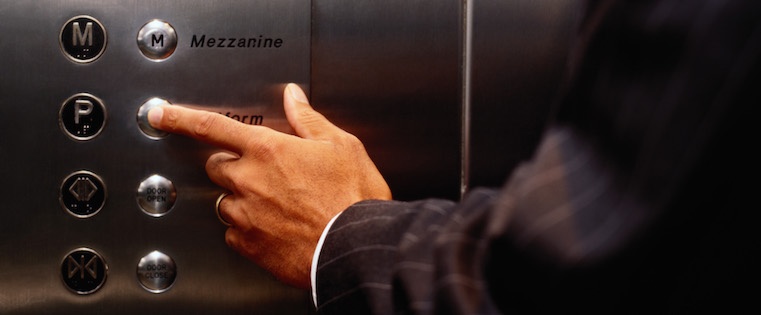
A great business pitch is among the first of many hurdles an entrepreneur must jump to get their company off the ground.
While it’s not necessarily an indicator of future success, it’s a critical moment for any business. A great pitch can bring valuable partnerships to the table — partnerships that come with even more valuable financial incentives.
A great business pitch is among the first of many hurdles an entrepreneur must jump to get their company off the ground.
While it’s not necessarily an indicator of future success, it’s a critical moment for any business. A great pitch can bring valuable partnerships to the table — partnerships that come with even more valuable financial incentives.

When it comes down to it, design is all about making choices. Each color, shape, line, font, text, and graphic you use will ultimately influence the message you’re trying to get across.
I’ve often been in conversations with people who know they should get better at design, but they don’t feel they have a “natural sense” for creativity.
When it comes down to it, design is all about making choices. Each color, shape, line, font, text, and graphic you use will ultimately influence the message you’re trying to get across.
I’ve often been in conversations with people who know they should get better at design, but they don’t feel they have a “natural sense” for creativity.
When it comes down to it, design is all about making choices. Each color, shape, line, font, text, and graphic you use will ultimately influence the message you’re trying to get across.
I’ve often been in conversations with people who know they should get better at design, but they don’t feel they have a “natural sense” for creativity.
When it comes down to it, design is all about making choices. Each color, shape, line, font, text, and graphic you use will ultimately influence the message you’re trying to get across.
I’ve often been in conversations with people who know they should get better at design, but they don’t feel they have a “natural sense” for creativity.
When it comes down to it, design is all about making choices. Each color, shape, line, font, text, and graphic you use will ultimately influence the message you’re trying to get across.
I’ve often been in conversations with people who know they should get better at design, but they don’t feel they have a “natural sense” for creativity.
When it comes down to it, design is all about making choices. Each color, shape, line, font, text, and graphic you use will ultimately influence the message you’re trying to get across.
I’ve often been in conversations with people who know they should get better at design, but they don’t feel they have a “natural sense” for creativity.
When it comes down to it, design is all about making choices. Each color, shape, line, font, text, and graphic you use will ultimately influence the message you’re trying to get across.
I’ve often been in conversations with people who know they should get better at design, but they don’t feel they have a “natural sense” for creativity.
When it comes down to it, design is all about making choices. Each color, shape, line, font, text, and graphic you use will ultimately influence the message you’re trying to get across.
I’ve often been in conversations with people who know they should get better at design, but they don’t feel they have a “natural sense” for creativity.