

You’ve just created the perfect video. The music hits at all the right moments, your voiceover is crisp, and that trending sound bite? Chef’s kiss. But here’s the plot twist – most of your audience will never hear any of it.

Facebook Ads are going to drive more leads for your business in 2017 than any other paid channel. You’ll need to have the right strategy and execute with agility and precision, but right now there is a massive Facebook opportunity for inbound marketers. An opportunity that if you take advantage of now, will pay off for years.
Technology changes fast but that doesn’t stop us from missing big shifts. This is because they never happen all at once, but every once in awhile you can catch a glimpse of change in motion.

Facebook Ads are going to drive more leads for your business in 2017 than any other paid channel. You’ll need to have the right strategy and execute with agility and precision, but right now there is a massive Facebook opportunity for inbound marketers. An opportunity that if you take advantage of now, will pay off for years.
Technology changes fast but that doesn’t stop us from missing big shifts. This is because they never happen all at once, but every once in awhile you can catch a glimpse of change in motion.

Facebook Ads are going to drive more leads for your business in 2017 than any other paid channel. You’ll need to have the right strategy and execute with agility and precision, but right now there is a massive Facebook opportunity for inbound marketers. An opportunity that if you take advantage of now, will pay off for years.
Technology changes fast but that doesn’t stop us from missing big shifts. This is because they never happen all at once, but every once in awhile you can catch a glimpse of change in motion.
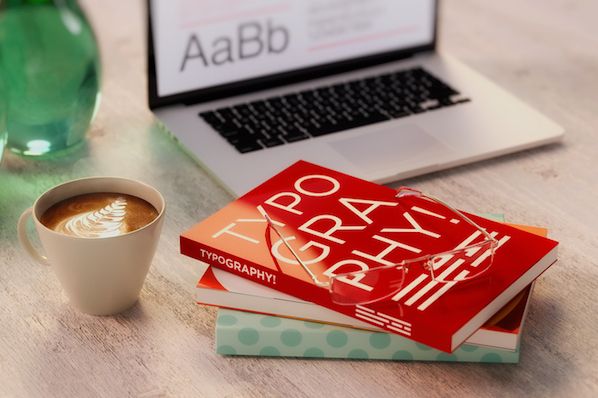
Finding stylish fonts for your design projects can be a major time sink — especially when you have to wade through seemingly endless pages of typefaces that don’t suit the vision you have in your head.
Finding a free font can be even more of a hassle.

Finding stylish fonts for your design projects can be a major time sink — especially when you have to wade through seemingly endless pages of typefaces that don’t suit the vision you have in your head.
Finding a free font can be even more of a hassle.
Finding stylish fonts for your design projects can be a major time sink — especially when you have to wade through seemingly endless pages of typefaces that don’t suit the vision you have in your head.
Finding a free font can be even more of a hassle.

Last night, I began to read an excellent novel right before I went to bed. The plot twists! The engaging dialogue! The cliffhangers! It was a great read. But there was a problem. When I finally went to put the book down two hours later, I was completely wired, and nowhere near sleep. Needless to say, I wasn’t too productive the next day.
I always thought it was a good habit to read before bed. Was I wrong?

Last night, I began to read an excellent novel right before I went to bed. The plot twists! The engaging dialogue! The cliffhangers! It was a great read. But there was a problem. When I finally went to put the book down two hours later, I was completely wired, and nowhere near sleep. Needless to say, I wasn’t too productive the next day.
I always thought it was a good habit to read before bed. Was I wrong?

Last night, I began to read an excellent novel right before I went to bed. The plot twists! The engaging dialogue! The cliffhangers! It was a great read. But when I finally went to put the book down two hours later, I was completely wired and nowhere near sleep, and I wasn’t too productive the next day.
I always thought it was a good habit to read before bed. Was I wrong?