

It was in July last year that the Ice Bucket Challenge (IBC) took off after Peter Frates, a Massachusetts man who was was diagnosed with ALS in 2012, posted his challenge video. By the fall, the IBC had raised over $200 million worldwide.

We’ve all been there.
You have a website, a customer acquisition team, and a really great product — but people aren’t getting on board. Or worse yet, they hop on, check things out, and jump ship.
But it doesn’t have to be this way. There are ways to turn visitors into customers — you just have to know which best practices you should start following.

When was the last time you paid attention to how you dot your i’s and cross your t’s? Probably never. Well, you may want to grab whatever handwritten notes you have handy and take a look.
As it turns out, how you write can indicate more than 5,000 personality traits. The size and shape of your letters, spacing between words, and even how hard you press your pen down can signify all sorts of characteristics. It can even give clues about your health and energy levels.

So, you’ve read dozens — if not hundreds — of SEO articles on the web. You’ve digested countless tips and tricks for improving your website’s SEO. You’ve even (over)paid that self-proclaimed “expert” to help you develop an SEO strategy that aligns with your business’ goals.
But after all of the reading and learning and strategizing, it dawns on you: You haven’t actually done anything yet.

Publishers should be natural leaders in content marketing. Providing high quality, authoritative content is already your stock in trade. While quality content is a fundamental requirement of successful digital marketing, it’s not enough in and of itself.
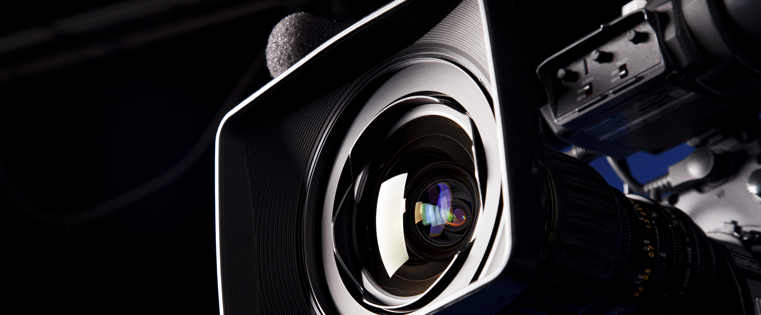
During the last year, Facebook has emerged as a real contender for the online video platform throne. In wake of several new video features being introduced and a heavy video focus from Mark Zuckerberg, the social media giant has quadrupled its video views over the last year.
Facebook’s increased focus on video isn’t only because users like to watch it (although they clearly do) — it’s also because more marketers are shifting their budgets from TV to mobile video.

This post originally appeared on HubSpot’s Agency Post. To read more content like this, subscribe to Agency Post.
There’s no question that men and women think and communicate differently. Sometimes it feels like we’re from different planets, right?

This post originally appeared on HubSpot’s Sales blog. To read more content like this, subscribe to Sales.
In the age of selfies, bad photography runs rampant. Duck lips, bathroom pictures, too close close ups — the list of photography faux pas is seemingly endless.

Video has become one of the most powerful forms of marketing content. As people become more and more impatient, the text-only approach is no longer cutting it. We’ve moved into a visual-centric world, of which video is a critical piece.
One component of your marketing strategy that video’s especially great for? Explaining to web users what your business does, what you stand for, and why customers need you. This is called “the explainer video,” and it’s a quick, memorable way to make an impact on people who might buy your product but need to know more information.

I have a confession to make: I used to be embarrassed by my age.
And I don’t mean I was a little bit embarrassed. I’m talking a gut-wrenching level of embarrassment to the point where I would either lie about my age or deny the person a response.