

When it comes to using Facebook for business, many people wonder what the secret for success is. What kinds of posts get the best results, and how can you increase engagement? Are there things you should be doing that you’re not?
While there is no one single right way of creating a perfect post, there are some best practices you can follow to help make your posts more successful. We’ve dissected the key elements of successful Facebook posts so you can properly optimize yours.

Ever heard of the computer language called SQL? You may have heard about it in the context of data analysis, but never really thought it would apply to you as a marketer. Or, you may have thought to yourself, “That’s for the really advanced data users. I could never do that.”
Well, you couldn’t be more wrong! The most successful marketers are data-driven, and one of the most important parts of being data-driven is being able to collect data from databases quickly.

In the past couple of years, a few excellent, and informative sources of marketing wisdom have risen to prominence. With thoughtful content, original ideas, clear how-tos, and consistent schedules, these blogs have become household names (at least in your marketing department).
While these blogs deserve the recognition and readership they’ve cultivated, many people assume that those are the only places you should go for original, quality marketing ideas.

As you may have seen, HubSpot has acquired Rekindle, a Boston based technology startup with unique IP and innovations that we believe will help HubSpot and our customers advance. But how? Below I’ve taken the time to share some of my thoughts on why we made this specific acquisition and how we view acquisitions like these as part of our commitment to rapid growth and transforming the marketing and sales landscape.

Ecommerce and mobile commerce are obviously here to stay, much to the chagrin of major brick-and-mortar retailers. We’ve seen some of the biggest names in shopping go under, with Borders Books perhaps the most obvious. Then there’s the story of Blockbuster and Hollywood Video, which failed after the introduction of Netflix. Those that don’t conform to buyers’ need for convenience and privacy simply can’t survive.

There are lots of ways to generate and publish content for your inbound marketing efforts. From the tried and true written word that powers your corporate blog to infographics, webinars, video and ebooks, the number of channels available to you seem almost endless.
It can be frustrating at times to try to cut through the noise with this much content being published. While publishing relevant information can help you create a loyal community of constituents, do you ever wonder if you could reach more people by adapting your content to a different style?
If you’re struggling to figure out “what’s next,” you might want to explore the idea of hosting your own live internet radio show.

Congrats! After all the time you spent perfecting your resume, networking with people, and researching the company, you landed an interview — and nailed it. The next day, you were offered the job (and gleefully accepted it).
The hard part is over, right?
Truthfully, the hard part is just beginning.
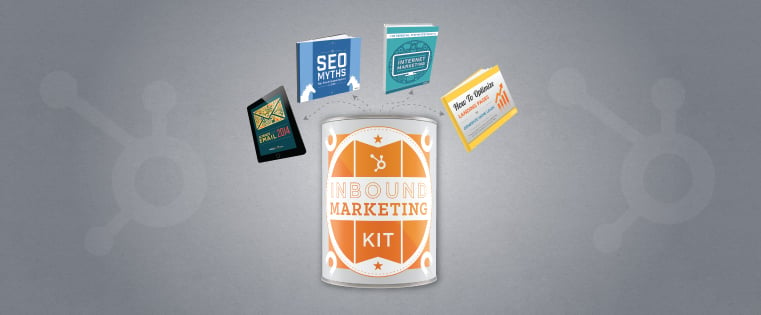
As an ancient Greek philosopher once said, “So many inbound marketing resources on the web; so little time to read them.”
A wise and prophetic (and entirely fabricated) insight, indeed.
For modern marketers living in the age of information overload, prioritizing the resources you want to learn from can be overwhelming.

At first, creating buyer personas seems simple. They’re just semi-fictional representations of your ideal customers, after all.
But when you actually get into the nitty-gritty of creating them, it’s easy to get tripped up. One of the biggest challenges you are likely to encounter revolves around actually gathering the information you need to construct your personas.

Web copy is often the difference between visitors and leads, and leads and customers. It plays an integral role for consumers at every stage of the buying cycle, from awareness to decision making and advocacy.
Most marketers can identify poor web copy when they see it. Why? Because poor web copy doesn’t read smoothly, stir emotions, influence behaviors, or make explicit calls to action—it feels purposeless—and that’s just bad marketing. And yet, web copywriting is a strategy that sometimes falls by the wayside, overlooked for other site priorities like gated content, video, design, and functionality.