
For years, we ran data studies at Semrush the way most similar companies did: whenever someone had a good idea and whenever there was time to spare. Mostly, though, our efforts were limited to one or two major reports a year.
For years, we ran data studies at Semrush the way most similar companies did: whenever someone had a good idea and whenever there was time to spare. Mostly, though, our efforts were limited to one or two major reports a year.
If you’ve been tracking your brand’s presence in AI-generated answers, you’ve probably noticed something confusing: your brand name shows up all the time, but that traffic isn’t materializing. The reason is usually the gap between an AEO mention and an AEO citation, and if you’re measuring the wrong one, you’re missing most of the picture.
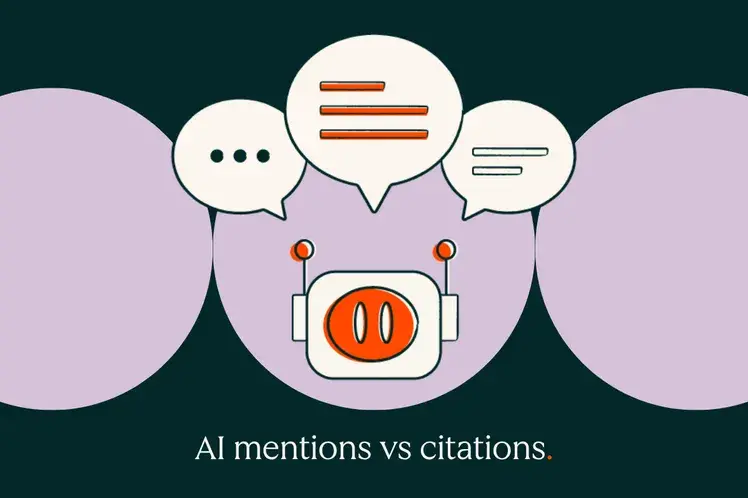
If you’ve been tracking your brand’s presence in AI-generated answers, you’ve probably noticed something confusing: your brand name shows up all the time, but that traffic isn’t materializing. The reason is usually the gap between an AEO mention and an AEO citation, and if you’re measuring the wrong one, you’re missing most of the picture.
Adobe Marketo Engage has long been the go-to for enterprise demand generation teams. But over the past few years, a growing number of marketing operations leaders have started asking a harder question: Is Marketo actually the best tool for us, or are there Marketo alternatives we should be aware of?

Adobe Marketo Engage has long been the go-to for enterprise demand generation teams. But over the past few years, a growing number of marketing operations leaders have started asking a harder question: Is Marketo actually the best tool for us, or are there Marketo alternatives we should be aware of?
-1.png)
Peec AI alternatives are AI visibility platforms that go beyond monitoring to help marketing teams close citation gaps, connect AI search data to CRM attribution, and run programs across multiple regions and content workflows.
Peec AI alternatives are AI visibility platforms that go beyond monitoring to help marketing teams close citation gaps, connect AI search data to CRM attribution, and run programs across multiple regions and content workflows.
Tech stack consolidation is the process of reducing the software tools your organization runs and standardizing work on a smaller, more integrated set of systems.
Tech stack consolidation is the process of reducing the software tools your organization runs and standardizing work on a smaller, more integrated set of systems.