

Roses are red, violets are blue, Valentine’s Day is coming … and you didn’t think this one through.
With everyone’s favorite “Hallmark holiday” right around the corner, we had a hunch that some of you might have forgotten to pick up something special for that special someone.
Roses are red, violets are blue, Valentine’s Day is coming … and you didn’t think this one through.
With everyone’s favorite “Hallmark holiday” right around the corner, we had a hunch that some of you might have forgotten to pick up something special for that special someone.
Roses are red, violets are blue, Valentine’s Day is coming … and you didn’t think this one through.
With everyone’s favorite “Hallmark holiday” right around the corner, we had a hunch that some of you might have forgotten to pick up something special for that special someone.
Roses are red, violets are blue, Valentine’s Day is coming … and you didn’t think this one through.
With everyone’s favorite “Hallmark holiday” right around the corner, we had a hunch that some of you might have forgotten to pick up something special for that special someone.
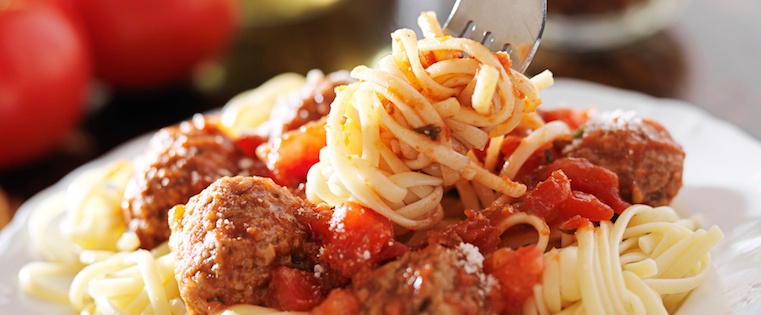
We’ve all been through it. You know, the moment you’re about to dig into the best darn pile of spaghetti and meatballs you’ve ever seen.
Just as you twist your fork in the pasta, spear a mouth-watering meatball, and go in for the first savory bite … the phone rings. “May I speak to Aaahnooom Hahsahn?” says the telemarketer on the other end. “This is an important message regarding your oven preferences.”
We’ve all been through it. You know, the moment you’re about to dig into the best darn pile of spaghetti and meatballs you’ve ever seen.
Just as you twist your fork in the pasta, spear a mouth-watering meatball, and go in for the first savory bite … the phone rings. “May I speak to Aaahnooom Hahsahn?” says the telemarketer on the other end. “This is an important message regarding your oven preferences.”
We’ve all been through it. You know, the moment you’re about to dig into the best darn pile of spaghetti and meatballs you’ve ever seen.
Just as you twist your fork in the pasta, spear a mouth-watering meatball, and go in for the first savory bite … the phone rings. “May I speak to Aaahnooom Hahsahn?” says the telemarketer on the other end. “This is an important message regarding your oven preferences.”