

Many bloggers face a common problem: How do you make an article really informative, but at the same time really easy to read?
In my areas of expertise — marketing, entrepreneurship, SaaS — the topics can get really complicated. If I’m not careful, my articles can be complex, jargony, and really boring. So how do I avoid this?

How do our brains react to advertisements?
Well, it depends on the ad. It takes 250 milliseconds for the brain to absorb visual cues, but only 13 milliseconds for images to elicit emotion — even if you aren’t fully absorbing what you’re seeing. So if you want to create more effective advertisements, you should use design and copy that foster an emotional response in your viewers.

Thankfully for all you recent college grads out there (and your parents), the job market’s looking up for folks who’ve recently gotten their diploma. More employers plan to hire recent college graduates in 2015 than in previous years, according to the National Association of Colleges and Employers (NACE).
And for those of you about to graduate, things are looking good, too: Two-thirds of employers who responded to NACE’s “Job Outlook 2015 Spring Update” survey reported they expected to increase or maintain current hiring levels for the Class of 2016.

There’s a really big difference between passing off leads to your sales team, and passing off qualified leads to your sales team.
While a mixed bag of leads will often leave them tied up on calls that won’t translate to much for the business, a list of qualified leads will set them on a path that might actually result in a sale.
What’s the best way to separate the good from the bad?

This post originally appeared on HubSpot’s Sales blog. To read more content like this, subscribe to Sales.
There’s a reason why teachers instruct students to make an outline before they start writing a paper. With a defined outline, writers ensure they address each point in the correct order. Without an outline, writers sometimes forget to include a crucial argument, or construct their paper in an illogical manner.

This post originally appeared on HubSpot’s Agency Post. To read more content like this, subscribe to Agency Post.
I think we can all agree that things taste that much sweeter when we actually earn them: the promotion you got, the first car you bought with the money you saved mowing lawns for three summers, or the free coffee you received after the cashier punched the final hole in your rewards card.

You might not remember the exact content of the Taco Bell commercial you saw last week, but you probably remember their punchy slogan — “Think outside the bun” — followed by the ding of a bell.
What makes a slogan like Taco Bell’s so sticky? How can you make sure yours will be memorable, too?

You see them everywhere. You read them daily. You’ve probably written a few yourself. You’ve also probably gotten tired of them.
What are these ubiquitous rulers of the internet content world?
List posts.

So you’ve created a truly awesome resource that you want to share with as many people as possible. You think, “It would be a good idea to get in touch with influencers on this topic. Maybe they’d be open to sharing it with their followers.”
But how should you get in touch?
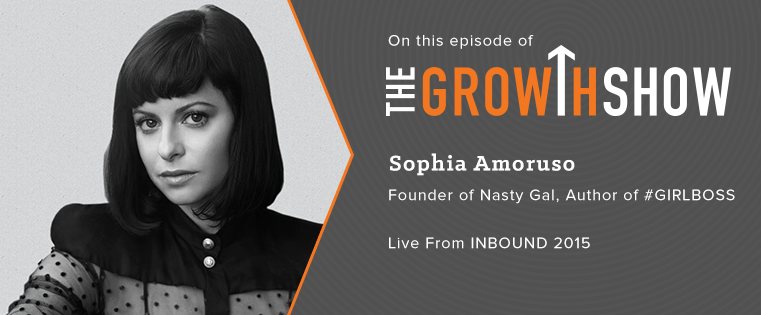
The year was 2006. Sophia Amoruso was sitting in her apartment in a bathrobe, putting together a vintage clothes store on eBay. She was the “one man band” behind Nasty Gal: finding the vintage clothes, styling the outfits, modeling them for product pictures, shipping her products to eager customers, and collecting feedback along the way.
Years later, Nasty Gal was generating $100 million in revenue, employing hundreds of employees in a swanky LA office, and selling clothes in both online and brick-and-mortar locations.