

It’s getting harder—much harder—for media companies to acquire engaged audiences. There are two major reasons behind this trend: there’s a lot of content floating around the Internet, and readers’ attention spans are spread thin as a result. Not to mention, audiences will often find content through feed-style engines on Facebook and Twitter or through search engines when they’re looking for information, in-the-moment.

For those of you who have heard of retargeting and think it’s something you want to try, you’re in good company. According to a study by Chango and Digiday, one in five marketers now have a dedicated budget for retargeting.
Though it’s a popular tactic for marketers, retargeting can be tough to get started with.
To help, we’ve teamed up with Perfect Audience to bring you a free ebook called The Beginner’s Guide to Retargeting.
Computer technology moves fast — which is why it’s so hard to believe that a computer program that’s been around for 30 years is still one of the most popular programs in the world. And yet, I’m willing to bet every single one of you has had to use Microsoft Excel at some point in your life.
Nowadays, most office workers are simply expected to know basic Excel functions — so much so that many recruiters suggest you shouldn’t even bother listing it on your resume.

Guest blogging is a wonderful and mutually beneficial relationship between writer and publication.
It’s great for the writer, of course, who might be looking to get her name out there as a thought leader and industry expert while also helping grow her own readership.

Good things happen when you create killer calls-to-action. I would even argue that your website can’t be successful unless you produce great calls-to-action.
The ideal CTA, however, isn’t always easy to think of. Sometimes, you need a little nudge in the right direction.

This post originally appeared on HubSpot’s Agency Post. To read more content like this, subscribe to Agency Post.
A few weeks ago, Burger King propositioned McDonald’s in an effort to press pause on what it called the “burger wars” and support the International Day of Peace on September 21.

This post originally appeared on HubSpot’s Agency Post. To read more content like this, subscribe to Agency Post.
Using Facebook is easy enough — most of the 1.49 billion monthly active users on the site would agree. But the social media platform is constantly being updated with new features and tools that make using the platform as a marketing and business tool easier and more effective.

Marketing constantly adjusts and reacts to changes in technology and attitudes. While digital marketing has undergone a substantial transformation in the last few years, the technology that incited the changes is growing at a faster pace than most brands can keep up with.
So, what does this mean for competitive marketers that are already strategizing for 2016? Brands need to look beyond the usual channels to stay ahead rather than simply jump on the bandwagon. Here, we’ll discuss those trends that are changing the face of marketing (yet again) and give you an eye-opening look at what marketers should be leveraging in 2016.

When display advertising first surfaced in the world of marketing, many marketers were left with a bad taste in their mouth. The ads we were being presented with lacked context and value, and as a result, many of us were quick to deem them untrustworthy.
At HubSpot, we held onto this notion for a while. There was just something about paying for an irrelevant banner ad that didn’t sit well with us. But then things started to change …
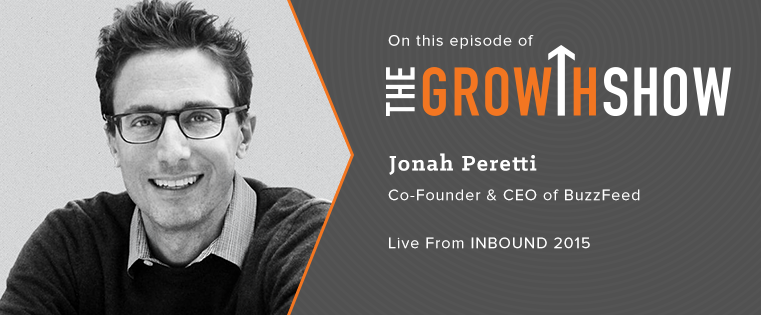
When Jonah Peretti was in college, he didn’t think he’d be founding and growing two of the biggest internet media empires in the world. He was an environmental studies major who took computer classes on the side — but he was always curious about why ideas spread.
Ten years after he graduated college, this same curiosity spurred him to build The Huffington Post and BuzzFeed, which are now regarded as some of the most popular sites on the web.