
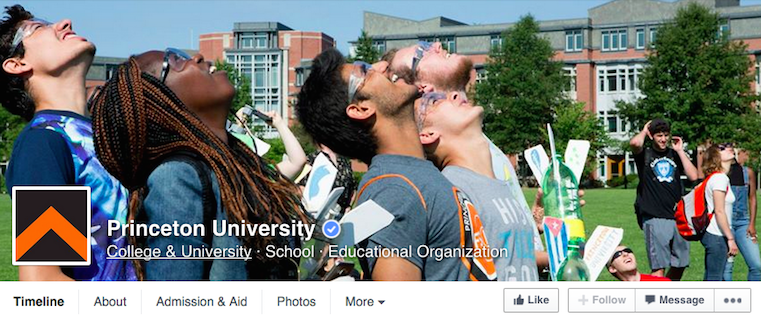
The first thing you see when you visit a college or university’s Facebook Page is their cover photo. So you might visit a college’s Facebook Page that features a beautiful, colorful, high-definition cover photo and say, “Wow, they did a great job with their Facebook Page.”
But, while the cover photo is certainly important, the very best college Facebook Pages go above and beyond simply looking good. The best ones engage their visitors with fun photos, videos, and campaigns.

What separates a qualified lead from an unqualified one? That’s the burning question we all have.
We want to make sure we know the key factors that make someone qualified so we can focus on the creating and delivering the right content through the promotional channels that make these most sense. Once we establish that framework, we can then help our sales teams make the most of their time by providing them with the means to prioritize leads.

This post originally appeared on HubSpot’s Sales Blog. To read more content like this, subscribe to Sales.
In the early days of starting a business, you’ll encounter a dizzying array of acronyms — ROI, ARPU, CAC, LTV, MoM, NPV, just to name a few. One acronym is particularly important: CRM.
This post originally appeared on HubSpot’s Agency Post. To read more content like this, subscribe to Agency Post.
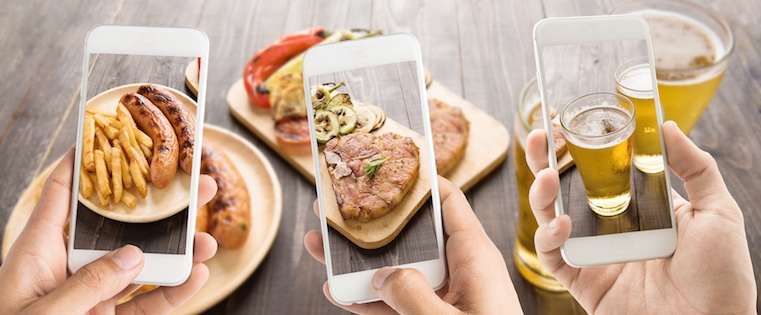
There’s a reason food is such a popular subject for Instagram posts. Who doesn’t like scrolling through pictures of neatly arranged acai bowls, pastel-colored dollops of ice cream, and sandwiches bursting at the seams with sprouts and peppered tomatoes?

Have you ever noticed that some URLs start with “http://” while others start with “https://”? Perhaps you noticed that extra “s” when you were browsing websites that require giving over sensitive information, like when you were paying bills online.
But where’d that extra “s” come from, and what does it mean?

The design of your website is a valuable part of your business’ marketing efforts — not to mention your sales and customer service efforts, too.
And, just like you keep on top of marketing updates and trends like the savvy marketer you are, you also need to be sure you’re keeping up with design trends. After all, marketing and design overlap quite often nowadays.

All bloggers have a number of websites that they visit every single day. Aside from the obvious ones (like email and Twitter), your favorites might be anything from your blog’s publishing calendar, to your online to-do list, to all your favorite social media button generators.
Wouldn’t it be great if all of those helpful resources were just a mouse click away?

The digital ecosystem has reached a critical inflection point: mobile exceeded desktop usage for the first time in Internet history. This trend creates new opportunities and challenges for the digital publishing industry. How do you create consistent experiences across devices? How do you quantify the value of your mobile audience? How can you better support your advertisers’ mobile marketing goals?
When we first started HubSpot over nine years ago, I didn’t know much about marketing; I only knew I didn’t like being marketed to. I didn’t see what good it did to interrupt people just to push a product on them. It’s not the sort of thing you’d wish on yourself, so why put it on others?
It was that observation — that flaw in the way that marketing traditionally worked — that laid the foundation for inbound marketing.

My relationship with office temperatures can best be described through the following Katy Perry lyrics: “You’re hot, then you’re cold. You’re yes, then you’re no. You’re in, then you’re out. You’re up, then you’re down …”
Is the sentiment familiar? More often than not, getting your office to a “perfect” temperature — one that everyone can agree upon — can feel like an uphill battle. When Jane is cold, Steve is hot, and then there’s Karen feeling perfectly content.