

I’m learning to cook, design tattoos, and budget better than ever – and it’s all thanks to Pinterest. Why? Pinterest’s brilliant user experience makes it so simple to browse through photos and bookmark products, gift ideas, or articles (and much more) that you want to come back to later.

Pinterest has long been recognized as a female-centric social media platform with 80% of its total users identifying as female, but the times are changing. One of the biggest differences we see lately is the ability to narrow search results for males, so search results show men’s watches or women’s watches, based on your interests. Since users are able to select search results to more closely reflect their interests (whether shopping for themself or someone else), this benefits all users. And, this is just a first step in making Pinterest more appealing to men. With this particular task out the way, Pinterest still has a few more steps to attract and keep male users.
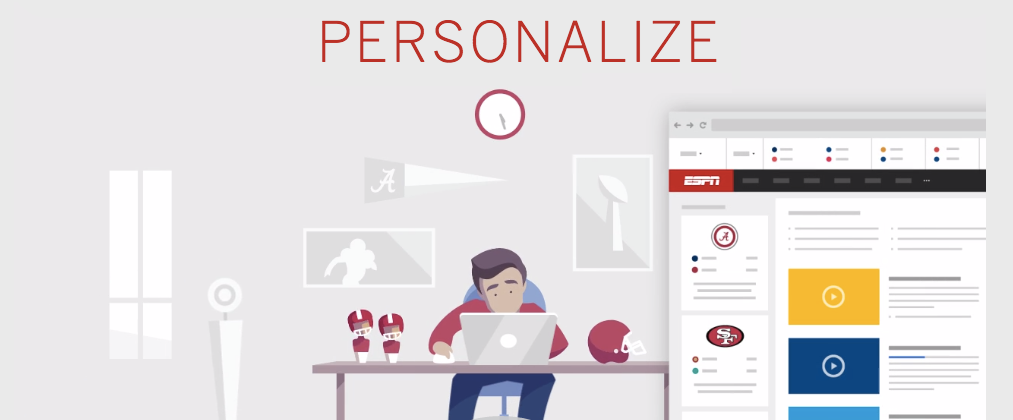
ESPN recently redesigned their website. Nothing out of the ordinary there. Companies redesign their websites roughly every 18-24 months. (You’re probably sick of yours right now, am I right?)
But this particular redesign garnered a ton of attention, earning coverage and analysis in Fast Company, TechCrunch, and VentureBeat, among other publications.

This post originally appeared on HubSpot’s Sales Blog. To read more content like this, subscribe to Sales.
So you’re going to a conference.
What’s in store for you? You’ll attend dozens of sessions led by professionals in your industry, meet a ton of new people, and take home lots of great swag.

Marketers commonly use social media to increase brand awareness, generate leads, and improve traffic. If you’re tasked with starting a social media strategy for your company, you might be wondering which type of platforms you should be on. Your platform choice will likely change based on your audience.

When do you do your best work?
For me, it’s realllllly early in the morning. I used to get up at 4 a.m., grab a steaming cup of coffee, and just start writing. At that time of day, words flowed so easily that I could finish a 1,500-word post in an hour. Later in the day, that same post would’ve taken me twice as long.
But that’s not the case for everyone.

If you’re in the business of content marketing, there is a 100% chance you need marketing statistics.
Statistics lend authority and weight to your blogs, ebooks, and social media posts. Using accurate data in your original content is powerful way to communicate that you’ve done your research. However, not all statistics are worth citing. Your research could have a negative effect on your online reputation if you fail to verify the source, accuracy, or recency of the statistic.

You did it. You started blogging for your business.
[Insert victorious music here.]
Trouble is, things aren’t panning out exactly how you expected. You’re generating a handful of views but people aren’t flocking to your posts … and they’re not converting either.

When many people start diving into their marketing analytics, they’re nervous. Maybe they’re new to the technology, so they’re worried about it being too complex and confusing to use. Maybe they haven’t analyzed their marketing before. Maybe math was never their strong suit. Or maybe they’re just worried about messing something up.
It doesn’t have to be this way.

Two months ago, Meerkat didn’t even exist. Today, the live-streaming app has over 700,000 active users, including people like Jimmy Fallon and Madonna.
It all started as a side project. Founder Ben Rubin had been working on live-streaming products as part of his job at Life On Air, and he thought it’d be fun to work on Meerkat in his spare time.
But then Meerkat took off.