

This post originally appeared on HubSpot’s Agency Post. To read more content like this, subscribe to Agency Post.
Don’t use more than three typefaces. Follow a grid. Keep it simple.
You’ve heard these common design rules repeated over and over again — by your teacher, your art director, and even that friend who uses Microsoft paint to design his band posters.
This post originally appeared on HubSpot’s Agency Post. To read more content like this, subscribe to Agency Post.
Don’t use more than three typefaces. Follow a grid. Keep it simple.
You’ve heard these common design rules repeated over and over again — by your teacher, your art director, and even that friend who uses Microsoft paint to design his band posters.
This post originally appeared on HubSpot’s Agency Post. To read more content like this, subscribe to Agency Post.
Don’t use more than three typefaces. Follow a grid. Keep it simple.
You’ve heard these common design rules repeated over and over again — by your teacher, your art director, and even that friend who uses Microsoft paint to design his band posters.

We all know visual marketing works. Visual content is 40X more likely to get shared on social media than other types of content. Not to mention, infographics are Liked or shared on social media 3X more than any other type of content.
The problem is, it can be hard to actually create these visuals — especially when you’re a small marketing team with too much to do and no designer on hand.
We all know visual marketing works. Visual content is 40X more likely to get shared on social media than other types of content. Not to mention, infographics are Liked or shared on social media 3X more than any other type of content.
The problem is, it can be hard to actually create these visuals — especially when you’re a small marketing team with too much to do and no designer on hand.
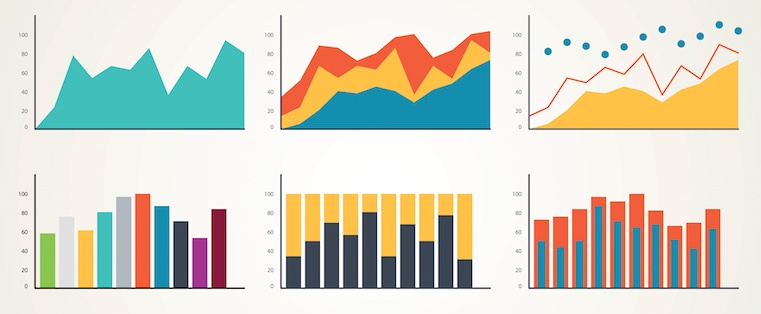
It’s an exciting time to be a content marketer. But it’s also a challenging time.
As more companies continue to jump on the inbound marketing bandwagon, the influx of content seems to be turning into a bit of a traffic jam. And few things have the power to cut through this noise like data storytelling.

For a while now, it’s been clear that Instagram isn’t just a social network for selfies and brunch pics. In fact, Instagram sees a whopping 500 million users — a 25% increase in audience size over less than a year.
In a world where visual content remains a crucial part of any business’ marketing strategy, Instagram presents a unique opportunity to visually represent your brand, celebrate its personality, and keep it top-of-mind for all those users who scroll through their Instagram feeds every single day.

Over the past few years, we’ve seen content become more visual. Marketers have experimented with infographics, videos, and more — and they’ve made plans to keep it up this year.
In fact, 73% of content creators plan to prioritize creating more engaging content in 2016, and 55% plan to prioritize creating visual content.

Infographics have become one of the most powerful tools in a marketer’s arsenal.
Content marketers often find themselves wanting to explain complex topics to their audience in a way that’s easy to understand. Not only do infographics help break these topics into digestible chunks of information, but they do just that in a content format that people actually like reading.

The past few years have been exciting ones for great design.
Some of the web design trends from last year have proven themselves popular enough to stick around in 2016, like flat design, background videos, and robust mobile app design. More importantly, we’ve seen the rise of a few new trends that marketers and designers alike need to stay on top of, such as card-based interface design.