

This post originally appeared on HubSpot’s Sales Blog. To read more content like this, subscribe to Sales.
Communication is the lifeblood of sales and marketing. Successfully closing deals, providing value, explaining complexities — they all rely on your ability to express yourself clearly and persuasively.
This post originally appeared on HubSpot’s Sales Blog. To read more content like this, subscribe to Sales.
Communication is the lifeblood of sales and marketing. Successfully closing deals, providing value, explaining complexities — they all rely on your ability to express yourself clearly and persuasively.
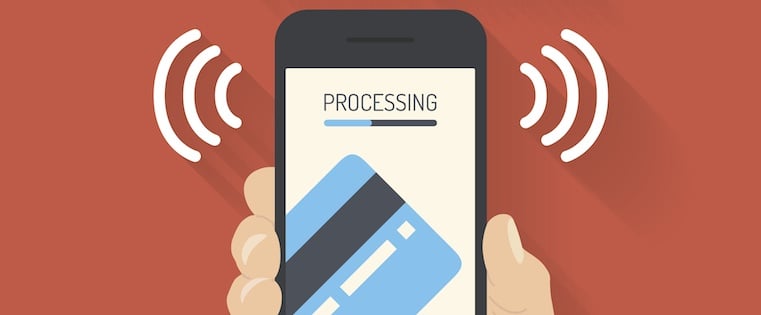
So, we’re firm believers that your buyers should have several different options when it’s time to pay for their purchases. You don’t want to lose a sale just because you only take credit cards and your buyer only uses PayPal. What happens when buyers have way too many options for mobile and online payments?

We’ve got a confession to make: We’ve been making a few rookie SEO mistakes within our own website.

In the depths of almost every internet community lives a troll. A snarky, quick-witted adversary waiting for an opportunity to insert an offbeat remark or uninvited comment.
With 5.6% of individuals admitting that they self-identify as trolls or enjoy trolling online, it’s likely that you or someone you know has had their feathers ruffled by one of these menacing online villains.

Creative work takes a tremendous amount of energy.
So much energy, in fact, that “turning off,” or forgetting about work for a period of time can feel counterproductive to a marketer who is set on creating something engaging and effective – especially if they’re under a deadline. That’s when it’s hardest to get past the guilt of tuning out and turning off.

Look, no one has a crystal ball at the ready to tell you who’s going to buy what, and how much, and when. Does that mean you have to wait around to see what a customer’s going to do? Of course not. You can learn a lot about your customers by studying their habits—past visits to your site—to predict what they’ll do next. It’s just a matter of knowing what information you need and when to use it.

For a while now, it’s been clear that Instagram isn’t just a social network for selfies and brunch pics. In fact, Instagram sees a whopping 500 million users — a 25% increase in audience size over less than a year.
In a world where visual content remains a crucial part of any business’ marketing strategy, Instagram presents a unique opportunity to visually represent your brand, celebrate its personality, and keep it top-of-mind for all those users who scroll through their Instagram feeds every single day.

Over the past few years, we’ve seen content become more visual. Marketers have experimented with infographics, videos, and more — and they’ve made plans to keep it up this year.
In fact, 73% of content creators plan to prioritize creating more engaging content in 2016, and 55% plan to prioritize creating visual content.