
If only I had more budget, I could grow my business.
We’ve all had this thought before — but what’s actually holding us back? Is it the budget constraint, or an unchanging strategy that leaves no room for innovative ways to succeed?
There is no magical formula to growing a business on a budget, but inbound marketing and efficient customer communications certainly have something to do with it.

What determines success in the business world?
Is it your leadership ability? Negotiation skills? Unique perspective? What about your IQ?
While it’s likely that most businesses don’t require employees to take an IQ test as part of the application process, IQ tests and scores have long been used as a measure of a person’s intelligence and predictors of their success.

Filling the top of your sales funnel with leads is tough — especially when you’re relying on traditional methods. Sending cold emails and scraping together lists can be incredibly demoralizing, right? Most of those people don’t really want to talk to you … and they can be pretty hostile about it.
So what if I told you that you could still reach your leads quota using methods that actually add value to your prospect’s day?
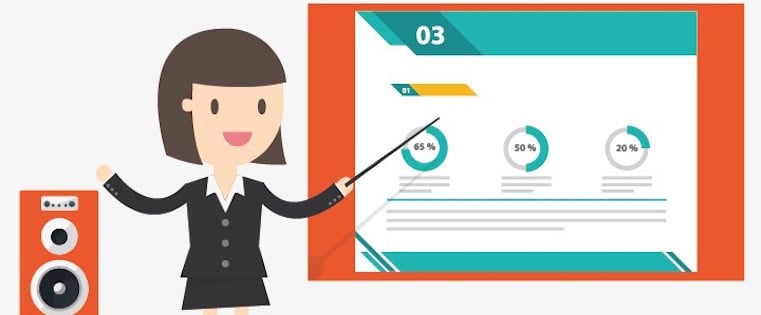
The fact that “death by PowerPoint” has become a well-known quip in the business world says something about the state of people’s PowerPoint presentations.
While PowerPoint is an incredible business tool, it’s often misused by users who crowd their slides with too many words or distracting designs. They know the basics, but have yet to tap into the lesser-known PowerPoint tricks that can take a presentation from good to great.

Who doesn’t love free stuff?
If I can find a free tool to do something I’d otherwise have to pay for in my marketing, I’m going to try the free one first. As long as I can achieve the same quality result from the free tool, there’s no need to waste budget.

According to NRF, 25 million holiday shoppers said they would specifically use their mobile device to shop online on Cyber Monday this year. That is a big chunk of the expected $116 billion ecommerce will bring in this holiday season! Part of serving customers (that want to give you their money) is providing a happy, helpful online experience. Increasingly, online includes mobile devices.
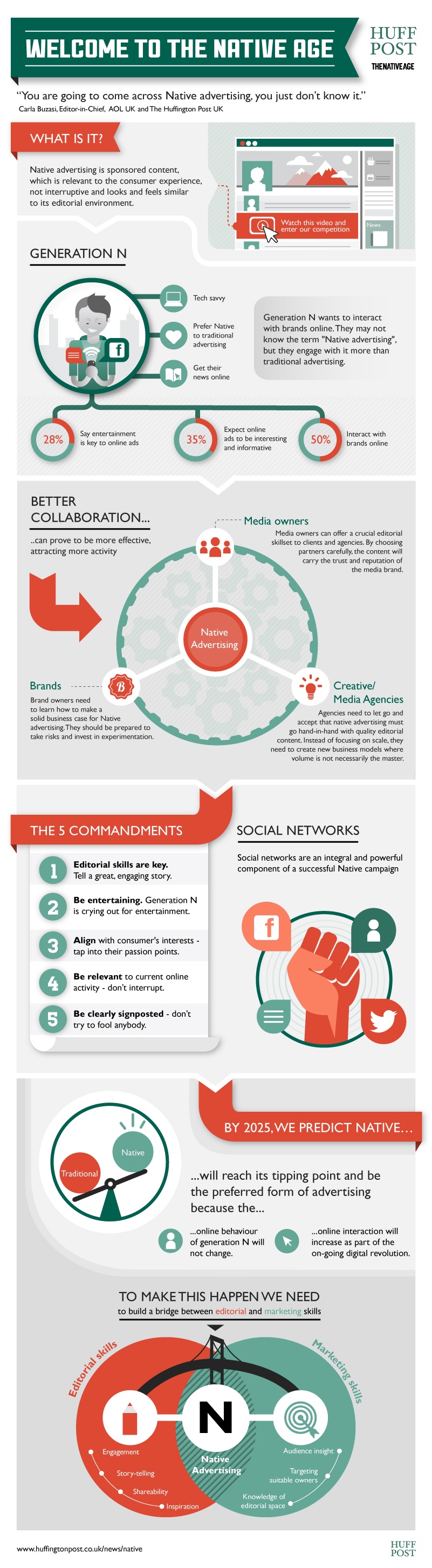
You’ve heard it a million times, native advertising is the next big thing. But what exactly is native advertising, and why is it causing such a stir for brands, agencies, and publishers alike?
Visual content: We all know we need it … but many of us don’t have the skills, tools, or knowledge of how to do it well.
Since 2013, Canva’s been on a mission to change that. Turns out, it’s working. Two years after launching, the company has nearly seven million users, and it’s growing by 30K users each week day.

Have you ever finished creating a WordPress website and loved everything about it? Then, promptly began to hate it after realizing it takes forever to load?

Words are hard.
Whether you’re a published author or just getting started with blogging, it’s not always easy to string words together in a way that makes sense, sounds good, and makes the reader feel something.