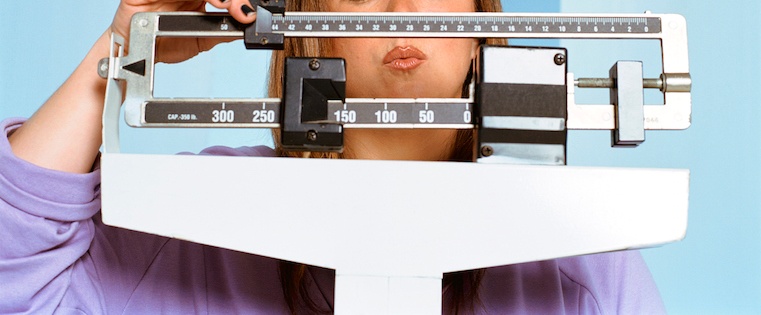

There are a lot of things I used to buy in person that I now buy online. I wouldn’t call myself lazy, but it’s just so much easier to carry a box of paper towels from my doorstep into my apartment than it is to carry it down the street from my local grocery store.
And I’m not alone. Whether it’s because of the larger selection, better pricing, convenience, or something else, a lot more people are buying stuff online nowadays instead of in person.

This post originally appeared on HubSpot’s Agency Post. To read more content like this, subscribe to Agency Post.
There’s a reason food is such a popular subject for Instagram posts. Who doesn’t like scrolling through pictures of neatly arranged acai bowls, pastel-colored dollops of ice cream, and sandwiches bursting at the seams with sprouts and peppered tomatoes?

The design of your website is a valuable part of your business’ marketing efforts — not to mention your sales and customer service efforts, too.
And, just like you keep on top of marketing updates and trends like the savvy marketer you are, you also need to be sure you’re keeping up with design trends. After all, marketing and design overlap quite often nowadays.

Have you ever met someone who looked like they belonged in another decade?
Maybe they couldn’t find it in their heart to let go of that awful pair of acid wash jeans, or perhaps they missed the memo that their collection of Zubaz pants should have been retired once the 80s ended. (Stop. It’s no longer “hammer time.”.)

According to Internet Live Stats, there are over one billion websites in the entire world. And by the time you finish reading this post, there will be even more. With so many websites in existence, what makes the good ones stand out?
As inbound marketers, we often jump to SEO, social media, or the quality of content published. But there are actually quite a few other things to consider when judging the success of a website.
Even if you’re already on the visual content bandwagon, it can be a struggle to actually start creating it — especially when you’re trying to communicate complex, detailed, and abstract topics.
So what’s a marketer to do?

When you’re planning to make changes to your website, it helps to poke around other companies’ websites to see what they’re up to. How have they structured their navigations? Do they still use hero images? How many CTAs do they have? What do their mobile websites look like?
While you’re certainly not trying to copy features exactly, seeing what others are doing can help you figure out what’s new in the fast-paced world of design and inspire new ideas for your own site.

“Could you take a look at the wireframe and let me know if I need to adjust the leading and the kerning so there’s enough white space? Thanks!”
… Come again?
Sometimes, designer-speak can seem like gibberish.
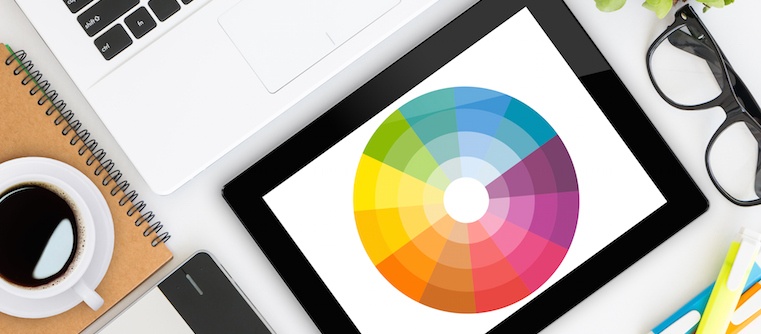
We can all agree that, in most cases, there’s more than one way of doing something.
For example, some people default to the “loop, swoop, and pull” method when they tie their shoes, while others swear by the “bunny ears” technique. Either way you swing it, your shoes get tied, right?
Trouble is, in some areas of life, different approaches don’t always return the same results.