
A lot can happen in eight years.
Think about what happened in 2007, for instance. That year, Apple launched the very first iPhone, J.K. Rowling published the final book in the Harry Potter series, and HBO’s The Sopranos aired the controversial final episode.
Now, Apple’s about to release the iPhone 6S, filming has begun for the movie version of the Harry Potter’s spin-off book Fantastic Beasts and Where to Find Them, and Game of Thrones has displaced The Sopranos as the most popular HBO show of all time.

This past spring, the web was abuzz as Google released the much-feared algorithm update that severely punished websites that were not optimized for mobile. Marketers were anxious. Fear mongering abounded. But now that “Mobilegeddon” is actually upon us, some are saying that the reports of doom and destruction have been greatly exaggerated.
Many marketers have asked the HubSpot team just how worried they should be, so we sifted through the post-apocalyptic dust to review the damage for ourselves.

When you’re sifting through your News Feed, what tends to catch your attention? More likely than not, it’s YouTube videos, pictures, animated GIFs, and other visual content, right?
This isn’t to say text-based content isn’t important. After all, you’re reading this post right now.
But what this does mean is that creating visuals such as infographics, charts, graphs, animated GIFs, and other shareable images will do wonders for catching your readers’ attention and enhancing your text-based content.

You’re out with friends, laughing, having a grand old time — when someone asks the group a total brainteaser: “Why don’t ‘B’ batteries exist?”
You’re stumped. Your friends are stumped. You whip our your smartphone and type the question into the Google machine. And boom: Up pops a battery company’s blog post on the nationally uniform specifications for the size of battery cells. It’s exactly what you were looking for, you nerd.

There’s no denying the power of visuals — including at least one image in your post can double your shares while also helping your audience retain more information than with text alone.
This is especially true in the PR and media world. When pitching a story, many more PR pros are including images and infographics in the hope of getting a hit.
Though there are many things to consider when designing an image for a campaign, one crucial thing often falls by the wayside: optimizing the image for the width of the site you’re pitching.
This post originally appeared on HubSpot’s Agency Post. To read more content like this, subscribe to Agency Post.
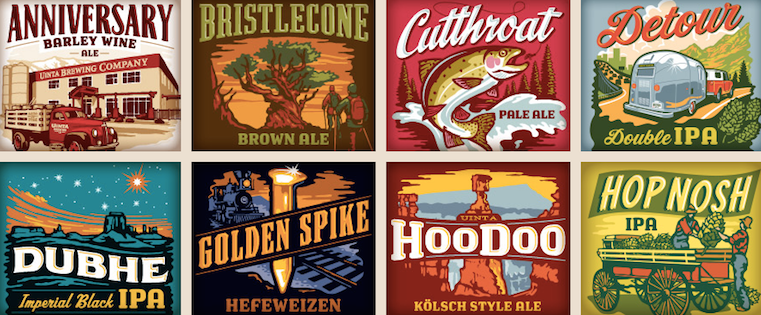
While it’s certainly important for a beer to taste good, there’s no denying that packaging has some influence on people’s buying decisions.

On the web, there are few things more discouraging than a big block of text. That’s because humans are visual creatures — we tend to gravitate toward content that is pleasing to the eye, and we’re especially drawn to visuals that capture (and keep) our attention.
It’s no wonder that 70% of marketers planned to increase their use of visuals in their content marketing this year. Sometimes visuals are just a more effective and creative way to present information, data, or difficult-to-understand concepts. After all, they don’t say “a picture is worth a thousand words” for nothing.

You may not be a designer by trade, but as a content marketer, it’s your job to make sure you’re creating content compelling enough to hit your traffic, lead generation, social sharing, and engagement goals.
Adding images to your blog posts is one of the most important ways to get more readers, subscribers, and leads out of the content you spend so much time creating.

When you’re building a website, it’s tempting to get distracted by all the bells and whistles of the design process and forget all about creating compelling content. But having awesome content on your website is crucial to making inbound marketing work for your business.
So how do you balance your remarkable content creation with your web design needs? Why, with your ‘About Us’ page, of course! For a remarkable about page, all you need to do is figure out your company’s unique identity, and then share it with the world.

Do you remember the last time you went to a mobile site and had an — ahem — unmoving experience? (Pun intended.) Maybe the site wasn’t responsive. Or perhaps it was really difficult to find what you were looking for. Or, maybe it just loaded really slowly.
Whatever it was, you may have left to go to another site as a result. Google knows that unhappy website visitors will go elsewhere, thereby increasing bounce rates and decreasing the chances a site will rank on mobile searches.